The Biblical Foundation for Modern Witnessing through MEALS
By Rev Simon Ang, Moriah Assembly of God

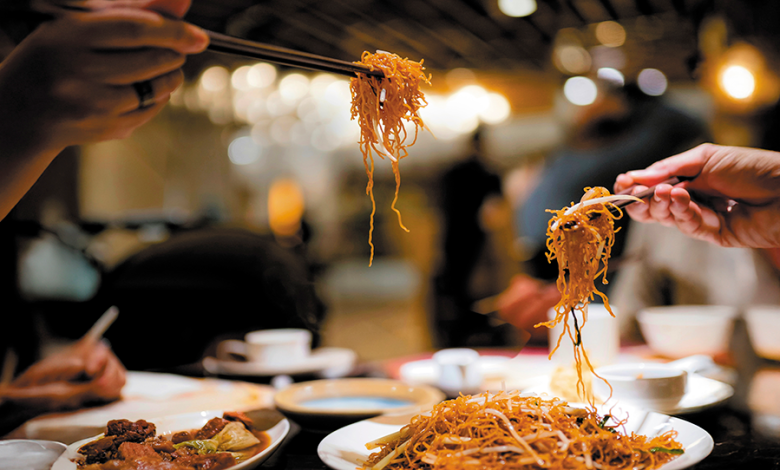
In his article, Rev Simon Ang shares the biblical foundation of modern witnessing through MEALS—showing how ordinary believers can fulfill the MM33 vision by sharing the Gospel, one table at a time.
Jesus like meals, have you noticed that? When you read through the gospels, you will often find Jesus sitting at a table. Sometimes it was with his disciples, sometimes with religious leaders and other times with people that the religious leaders would stay away from.
When you read through the gospels, you will often find Jesus sitting at a table.
Matthew invited Him home. Zacchaeus had Him over. Simon the Pharisee hosted Him.
Jesus fed thousands on a hillside. He shared supper with His disciples before the cross. And after the resurrection, He prepared breakfast for them by the Sea of Galilee. Jesus preached in synagogues and taught crowds on hillsides, but he also did a lot of ministry around tables.
In fact, His critics complained about it: “This man receives sinners and eats with them.” (Luke 15:2)
Jesus ate with people. Perhaps there is something here for us as we think about witnessing and MM33. We sometimes make evangelism more complicated than it needs to be.
We think we need a program. A strategy. A special event. Those things are helpful. But sometimes all you need is an empty chair, a willing heart and a simple question: “Have you eaten?”
And as Singaporeans, that might be one evangelistic question we are already very good at asking! What if we turned it into another question? “Shall we eat together?”
Let me suggest a simple way of thinking about witnessing.
M.E.A.L.S.
M -Meet Up
Jesus went where people were. He walked their streets. Entered their homes. Attended their celebrations. Sat at their tables. Witnessing begins the same way. We have to meet people. The problem is that the longer some of us are Christians, the fewer nonbelieving friends we have.
Church on Sunday. Cell groups during the week. Prayer meeting. Ministry meeting. Fellowship with church friends. And before long, our entire social circle consists of people who already know Jesus.
So make some room. Invite a colleague to lunch. Meet an old friend. Have dinner with a neighbor. Some people enjoy the newest café with a carefully crafted flat white while others are perfectly happy at the kopitiam with kopi-o. Some friendships happen over brunch, others happen over chicken rice, Bak Chor Mee or prata. It doesn’t really matter.
The point is not what is on the table. The point is who is around it.
E – Engage
Then engage. And engagement begins with something surprisingly difficult. Listening.
We are often better at talking than listening. Jesus was different. He noticed people. He asked questions. He listened to their stories. He saw people whom others walked past. That kind of attention is increasingly precious today, especially in our society. We can sit across the table while being somewhere else – answering WhatsApp messages, scrolling TikTok videos or scrolling our phones.
Put the phone down. Look across the table. Ask another question. “How are things at home?” “How’s work?” “How are you doing?” People may forget what we said over lunch but they rarely forget that we listened.
Put the phone down. Look across the table. Ask another question.
A – Accept
Jesus had this amazing ability to welcome people without pretending that everything in the lives were alright. He accepted people without endorsing everything they did. There is a difference.
Zacchaeus had plenty to sort out. So did Matthew. So did the woman who wept at Jesus’ feet. And so do we. And yet Jesus made room for them. Sometimes Christians unintentionally send the wrong message: Sort yourself first. Then you can come near.
Jesus worked the other way around. Come near. Let me meet you and let grace do its work.
Singapore gives us many opportunities for this. Our neighbors and colleagues come from different cultures, nationalities, faiths and backgrounds. We don’t have to agree on everything before we share a table. Sometimes hospitability is the first language of grace. Before someone hears our message, perhaps they need to know that there is room for them.
L – Laugh and Lament
Meals have a way of opening people up. At first the conversation is light. Work, children, school, holidays, BTOs, COEs. And inevitably, how the plate of chicken rice that used to cost $3.50 now cost …well, let’s not go there. We laugh.
But stay at the table long enough and sometimes the conversation changes: my mum is in the hospital, my marriage is struggling, work has been really difficult, I’m worried about my son, I don’t know what I’m going to do.
Suddenly the meal becomes something more. Romans 12;15 says, “Rejoice with those who rejoice, and weep with those who weep.” This is part of witnessing too. We laugh with people and we lament with people. And sometime four simple words may be enough: Can I pray for you? You might be surprised how often people will say yes.
But stay at the table long enough and sometimes the conversation changes.
S – Share
But eventually, we share. Being kind is important. Being a good friend matter. But witnessing cannot end with people merely thinking, “Oh what a nice friend!” Somewhere along the way, we want them to discover why we have hope. So share. Not awkwardly. Not as though halfway through your kopi, you suddenly switch to your ‘evangelism voice.’ Just naturally.
Say something like: When I went through something similar, prayer helped me. There was a bible verse that helped me thru that season. Can I tell you what Jesus had done in my life? Share your story. Share Scripture. Share what Jesus means to you. And when God opens the door share the gospel. Peter tells us to be ready to give a reason for “the hope that is in you” (1 Peter 3:15). Hope.
We are not trying to win an argument. We are introducing someone to our Hope. MM33 calls us to believe God for more. More people coming to Christ. More disciples. More healthy churches. More churches planted. But perhaps more begins with something very small – one more chair.
What would happen if believers across our AG churches intentionally began sharing meals with people who don’t know Jesus? Nothing complicated. A café, a kopitiam, a hawker center, your dining table, lunch during your workday.
One meal. One conversation. One friendship. One opportunity to pray. One opportunity to share Christ.
Movements of God don’t happen only on platforms and in large gatherings. Sometimes they begin around tables. So, this week, our prayer can be very simple: Lord, who can I invite to my table?
It’s time we learn to eat missionally. Because you may never know what God might do… with one meal, one conversation and one empty chair.
Movements of God don’t happen only on platforms and in large gatherings. Sometimes they begin around tables. So, this week, our prayer can be very simple: Lord, who can I invite to my table?

Rev Simon Ang is the Senior Pastor of Moriah Assembly of God and the Assistant General Superintendent of the Assemblies of God, Singapore.